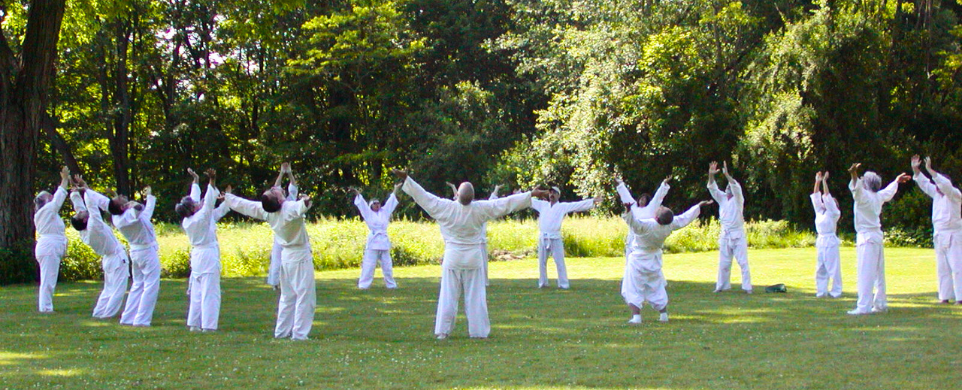
We are sharing good news about the Global Taimyo Community (GTC) coming to Shintaido of America (SoA) this month. GTC brings the practice of Taimyo kata as a gateway to reflections on peace and our impact on the world around us. SoA brings 49 years as a non-profit transmitting the form and practice of Shintaido in the U.S., including supporting fledgling local and international groups. We hope this partnership helps deepen Shintaido practice around the world.
What is theGlobal Taimyo Community (GTC)? The GTC originally grew from H.F. Ito’s desire for peace, by practicing Taimyokata around the world both synchronously and asynchronously to create a field of peaceful intentions. Taimyo kata is a specific movement/meditation form from the Shintaido body of practice. Haruyoshi F. Ito and Masashi Minagawa, Shintaido instructors began teaching the Taimyo to the general public as a way of exploring and healing our inner world as well as creating healthier relationships with our outer world — people and nature — beyond time and space. As the network of students grew and became international an informal GTC was born.
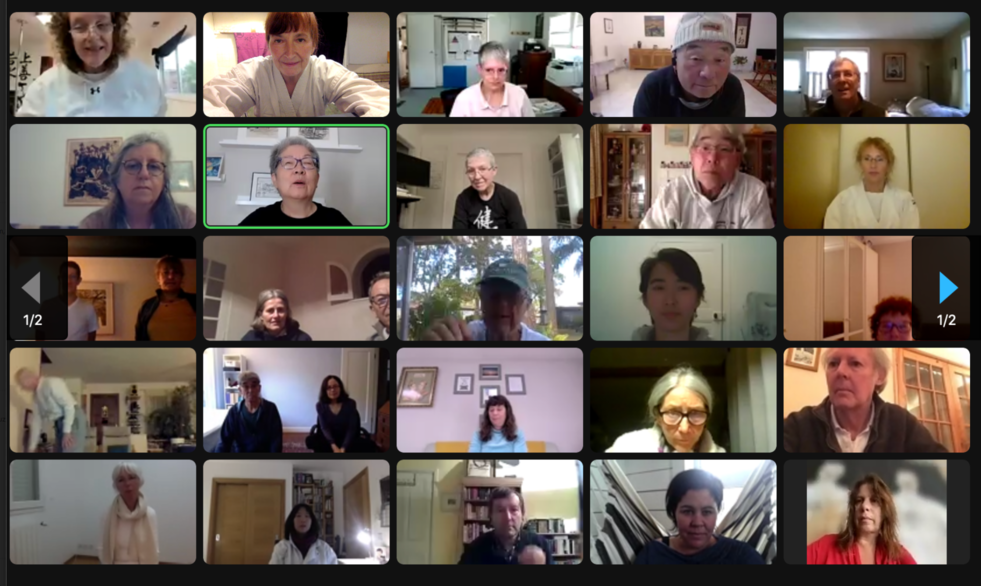
How Will it Work? Since 2021 GTC has gathered people from the U.S., Canada, France, the U.K. and Japan a few times per year for practice and conversations via Zoom on themes such as healing, release and transformation, and our soul’s longing.
GTC is organized by the Planning Team – Sarah Baker, Connie Borden, Rob Gaston, Masashi Minagawa, and Tomi Nagai-Rothe – and features a website with many GTC resources including links to video and the Day Street Dojo website.
What Comes Next? As of February 1, 2025 SoA is GTC’s fiscal sponsor and will handle payment-registration for this year’s weeklong virtual gathering July 20 – 26. The GTC website and DayStreetDojo sites will continue.
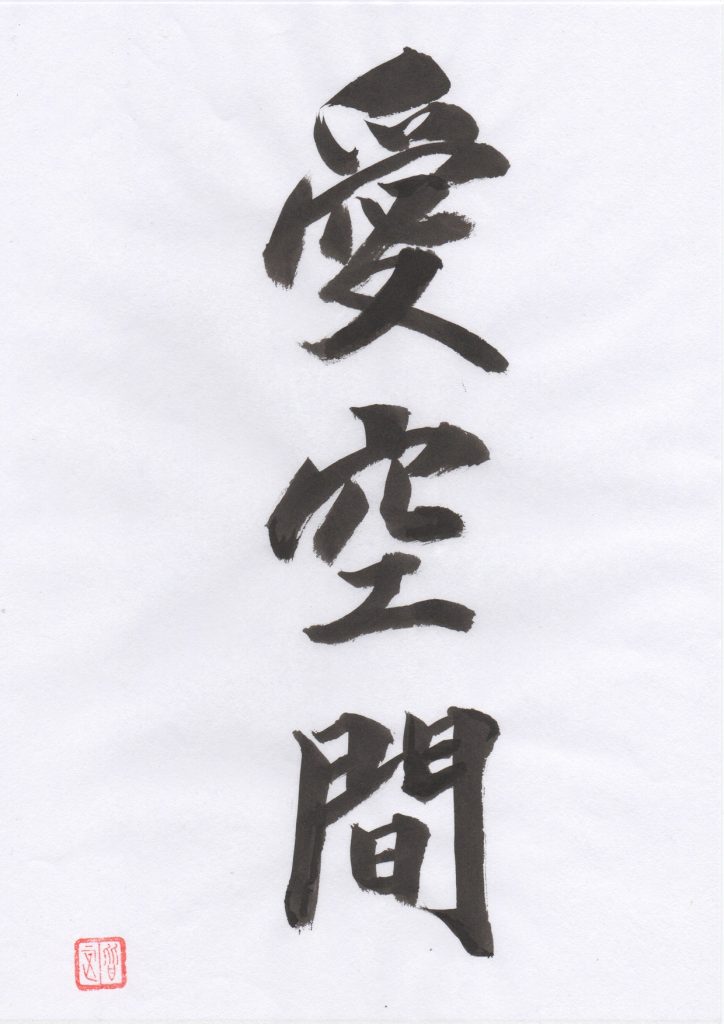
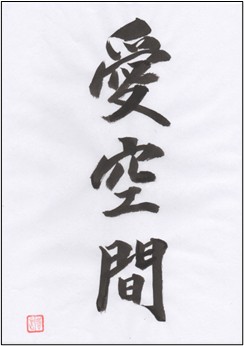
We hope more folx will take the opportunity to come together across space and time to explore “The Space of Love” 愛空間 this summer. Details on the July workshop and registration to be shared soon.
Taimyo practitioners from around the globe gathered via ZOOM from 20 to 26 of July 2025. The week began on Sunday 20 July with Masashi Minagawa, Doshu giving a talk on Aikukan. Here is one part of the message from Minagawa Sensei:
“Our theme this time is aikūkan. It means “a space of love.” This concept dates back to when I first began practicing Shintaido. Back then it wasn’t even called “Shintaido” yet, but “aikūkan” was something Master Aoki often spoke about.
He often said that we live wrapped in the great life force at the root of the universe — embraced within a space of love. Through practice, when we cast off everything unnecessary within ourselves, our true human nature is revealed. A space of love opens up within us, and we become one with the fundamental energy of the universe. This was the spiritual world he sought to explore — and it was from that vision that he founded Shintaido, a path that unites the sacred and the martial, religion and budō.”
Minagawa Sensei concluded with
“By practicing Taimyo again and again, we unite with the message of the universe that lives within us — within our own small universes. Returning to our true selves, we can walk a life that is peaceful, free of conflict, bright, healthy, and filled with happiness. That was Master Aoki’s wish. Inspired by that vision, I hope to continue sharing this message — a message that has run through the web of life since ancient times, a message from the universe — together with all of you.”
Itō-sensei often told us it’s enough just to practice the Taimyo form. “Even if you can’t do the whole sequence, it’s okay to just enjoy it — like enjoying a painting or a piece of music. If you stand within the vibration of its sound, its light, your body will naturally show you the way. You only need to move as you are, let yourself move with that natural flow.”
This activity can become a small light to illuminate the darkness within and around us. Let’s share our light and joy. And finally, let’s return to our own beginnings — to shoshin, beginner’s mind.”
During the week, 8 sessions were offered to deepen the study of Taimyo. Soichiro Iida, Laurent Lacroix, Nicole Beauvois, Rob Gaston, Jean Marc Otto Bruc, Connie Borden, and Nagako Cooper led the sessions. Here are a few comments:
Rob Gaston: “I noticed this morning that the Taimyo sequence has 5 movements in part I, 7 movements in part II, and 5 movements in part III. This made me think of a haiku.
The Moon is still up Let’s do Taimyo together A Circle of Light
Tomi Nagai-Rothe and Nicole Beauvois had this exchange about not getting things perfect: “Navajo (Diné) artists always include a flaw in their pieces because they believe that only the Creator is perfect.”
“I read that this can be seen as ‘honoring oneself with less stress in daily life by striving for excellence, but not perfection.’ “
Antigone Trimis: “I was blessed to be facing a bright sun today. One with nature.”
Sarah Baker and Jean Marc Otto Bruc had this exchange: “I struck by the number of people from around the globe having joined these community practices this week. . . . We share across our different languages some words. . .. each of the separate people sharing the ZOOM space become physically connected.”
“It really felt like we were in the same dojo.”
On the last day, Saturday 26 of July, the gathering included a talk by Tomi, practice with Masashi Minagawa, small group conversation, practice of Taimyo part II with Tomi and a large group conversation. Tomi Nagai-Rothe recounted Ito-sensei’s journey leading the growth of the Global Taimyo Community. Her presentation was titled: Making Peace: H.F. Ito’s Peacemaking Legacy. Tomi included slides, photographs and graphic record to visually review Ito’s legacy. Hiroshima and 9/11 (USA) were two key events that influenced Ito sensei. His legacy includes teaching shintaido to hospice caregivers, deepening the Yokitai curriculum while teaching at the Day Street Dojo, peacemaking events in Washington D. C., and his 2007 Deep Bow Journey to Nanjing. Tomi asked the group to reflect on two questions:
Which part of Ito’s peacemaking legacy will you carry on?
How will you share it – individually and collectively?
Masashi Minagawa led the group with the practice of Diamond 8 Sei, Diamond 8 Dai and Diamond 8 Heart Sutra. Minagawa sensei suggested we read “The Diamond Eight Cut & Life Reflections” by H.F. Ito. Tomi led the group with practice of Taimyo part II- Yokitai version. The focus was soft, round and included pauses after each movement.
Tomi suggested her article in Body DialogueH.F. Ito: A Personal Remembrance. The weeklong practice ended with everyone’s desire for continued connection and eagerness for 2026. Hope to see you then!
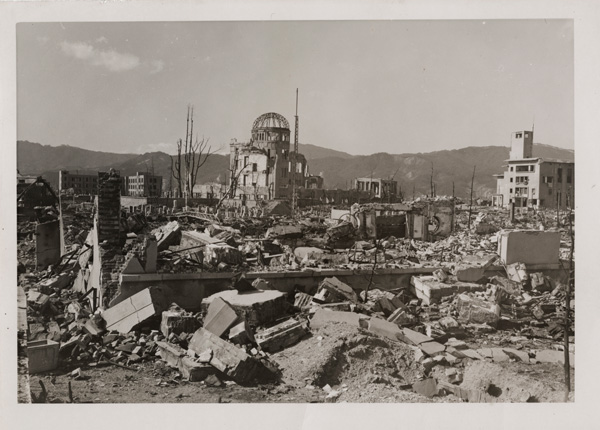
The founders of Shintaido realized the world needed new approaches to conflict resolution, as they acknowledged many of the old ways were no longer useful. On August 6th and 9th, people around the world will be commemorating the 80th anniversary of the atomic bombings of Hiroshima and Nagasaki.
A small nonprofit organization in Worcester, MA, USA -The Center for Nonviolent Solutions is sponsoring and coordinating activities for disarmament advocates to make a significant impact- both locally and globally. This project is an interfaith, interracial and international coalition, involving Hibakusha, congressmen, Catholic bishops, Buddhists and ordinary citizens both here and in Japan. The ultimate goal is to bring folks together to support the movement toward nuclear disarmament. I urge all who read this to participate in any way you can, wherever you can.
The Project: Marking the 80th anniversary of the bombings of Hiroshima and Nagasaki, the Center for Nonviolent Solutions is sponsoring a project to raise awareness of the opportunity presented by the UN Treaty for the Prohibition of Nuclear Weapons to realize the goal of a nuclear weapons free world. While the precise design and dimensions of the commemoration are still emerging, these elements are clear:
We will engage people in the 2nd Massachusetts Congressional District, directly through public dis course and through civic and religious organizations, student groups. We will ask people to partici pate in the global commemoration of the anniversary with local actions including: Walks and vigils, learning groups, local pilgrimages, letters to leaders and other initiatives.
We will organize a small group of people to travel to Japan to honor the Hibakusha (Atomic bomb survivors). We intend that the group traveling to Japan be broadly representative and include young and old, indigenous people, and people of color.
We will make a particular effort to reach out to younger people who might not be aware of the nuclear threat.
Contact: Charlie Washburn | cjwashburn@Gmail.com | 508-868-1267 https://hiroshimacommemoration.my.canva.site Pilgrimage to Japan
In August 2025 we will send a group of US citizens to Japan to stand with the survivors and pledge our commitment to eliminating all nuclear weapons. We are seeking approval of the US House of Represen tatives to include Congressman James McGovern and other members of Congress. Our trip will take 7 days between August 3 and August 10.
We will join other US citizens lead by Archbishop John Wester of Santa Fe New Mexico who has formed a partnership with the Bishops of Hiroshima and Nagasaki. The pilgrimage will serve several purposes:
Embrace the Hibakusha’s (Bomb Survivors) expressed goal achieving a world free of nuclear weapons and for demonstrating through witness testimony that nuclear weapons must never be used again. The extraordinary efforts of Nihon Hidankyo and other representatives of the Hi bakusha were awarded the 2024 Nobel Peace Prize and have contributed greatly to the establish ment of a nuclear taboo.
Amplify the 80th anniversary of the bombings of Hiroshima and Nagasaki to awaken US citizens to the threat posed by nuclear weapons and the arms race that will result from the US investment in “modernization” of our nuclear arsenal.
Animate a movement for the US to lead the way for the countries possessing nuclear weapons to employ the UN Treaty for the Prohibition of Nuclear Weapons as the vehicle to achieve a global ver ifiable elimination of the nuclear threat. Efforts will include continuing education efforts with civic and faith based groups and support for the formation of a Back from the Brink Hub in Worcester and helping to organize groups of Students for Nuclear Disarmament at Worcester Schools
We will also present films and speakers on topics related to nuclear disarmament to increase public awareness.
Background: In November 2023, at a reception celebrating Dorothy Day’s birthday during the second Meeting of States Parties to the Treaty Prohibiting Nuclear Weapons in New York City, I asked Archbish op Wester how other people and groups committed to the abolition of nuclear weapons could support his efforts. He had just described the partnership between two US Catholic diocese and their counter parts in Hiroshima and Nagasaki. He thought a moment and promised to discuss the notion with his colleagues. I was in NYC to support the action taken at the US Mission to the UN to call on the US to sign the treaty. I was struck by the fact that the Archbishop, who was clearly the most prominent leader in the American Church to address the meeting and Member of Congress Jim McGovern, the highest ranking member of US government to speak to the assembly had crossed paths without meeting.
It took months and the opportunity to let my mind wander and explore enough while walking the ancient pilgrim’s path El Camino de Santiago in Spain that the notion of journeying with the Bishops began to take form. Eventually it occurred to me that we might devise a way to have some Americans join with the Bishops and the people of Japan in commemoration of the bombing 80 years ago this August in a way that might move the US closer to accepting a ban on nuclear weapons.
In September I had the pleasure of introducing Archbishop Wester and Representative McGovern via teleconference and they had a wonderful and energetic conversation. The US Presidential Election has distracted us since September and the election’s outcome was not obviously supportive of our intent, but we will press on.
I committed to them that I would begin to work on assembling some people from McGovern’s district to join him in Japan this August. I also said I would look for a way to support the Archbishop’s interest in engaging people of college age. Part of our conversation focused on the fact that many younger Amer icans are unaware of the threat posed by nuclear weapons, much less the massive reinvestment we are making in them. Fewer still know that the Catholic Church has decided that there is no justification for possessing nuclear weapons.
US Representatives McGovern and Jill Tokuda of Hawaii have reintroduced a House Resolution urging the United States to return to the negotiations table on nuclear disarmament and to Leland the global effort to reduce and eliminate nuclear weapons.
…
If you’d like to connect with Shintaido folks living in Japan, contact Ms. Sumiko Koboyashi, or Tomoko Okada at Tenshinkai Office- email: Staff@tenshinkai.jp
If you’d like to join the pilgrimage from the U.S. to Japan, our guide for the group is Mihoko Wakabayashi. Her contact info in Worcester, MA is : Mihoko@Mihokotextiles.com
If you’d like to make a tax-deductible contribution to the project, you can send a check to: The Center for Nonviolent Solutions, 901 Pleasant Street, Worcester, MA 01602
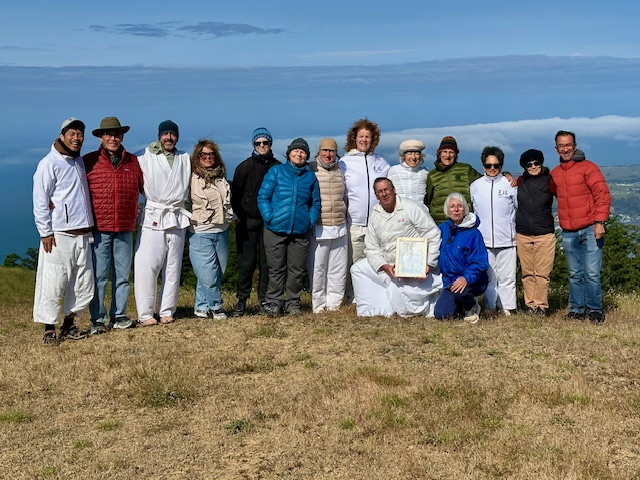
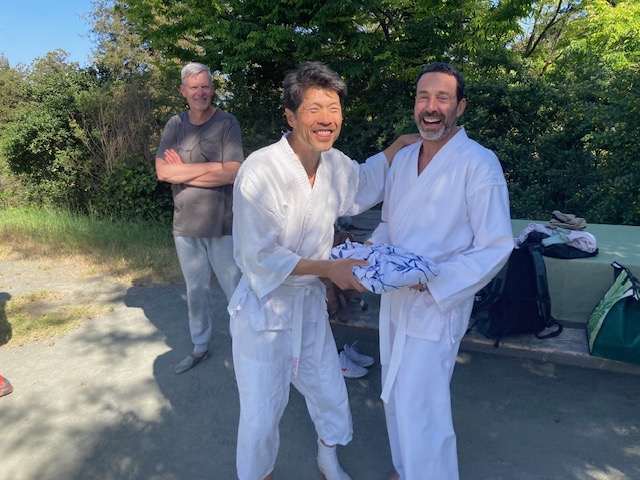
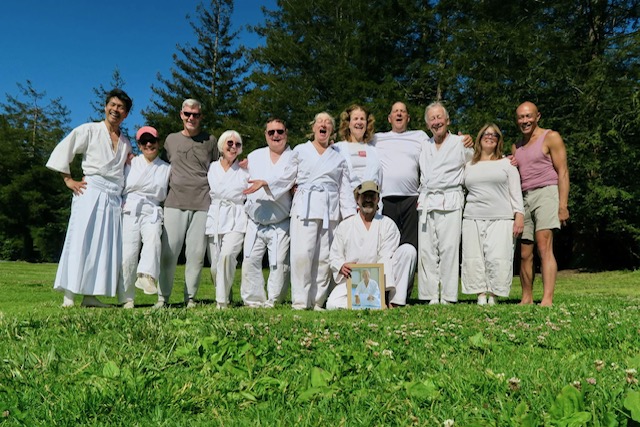
Shintaido of America arranged for two Keiko to celebrate H.F. Ito on the weekend of 17 & 18 May 2025. Nicole Beauvois, who lives in France, was in the SF Bay Area for these events. Saturday’s morning Keiko was on Mount Tamalpais , a peak in Marin County, California.
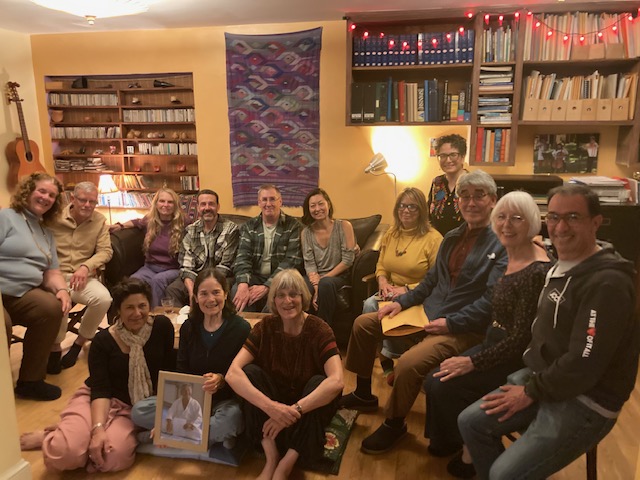
In the evening, we gathered for a potluck dinner & music at the home of Jennifer Peringer and Martha Rodriguez.
On Sunday, Shin Aoki, General Instructor, led Keiko at Lake Temescal in Oakland, California.
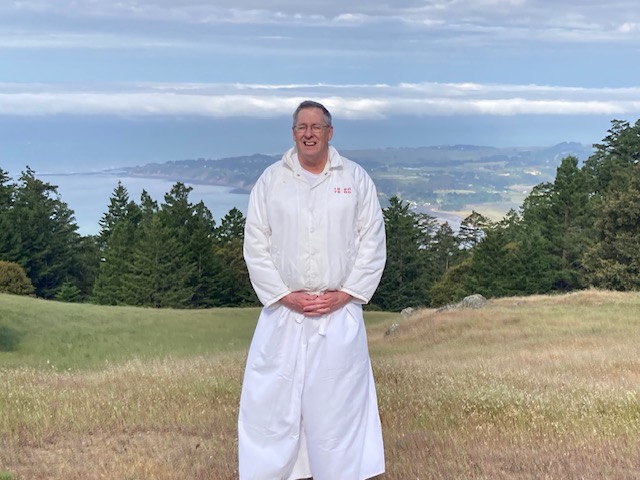
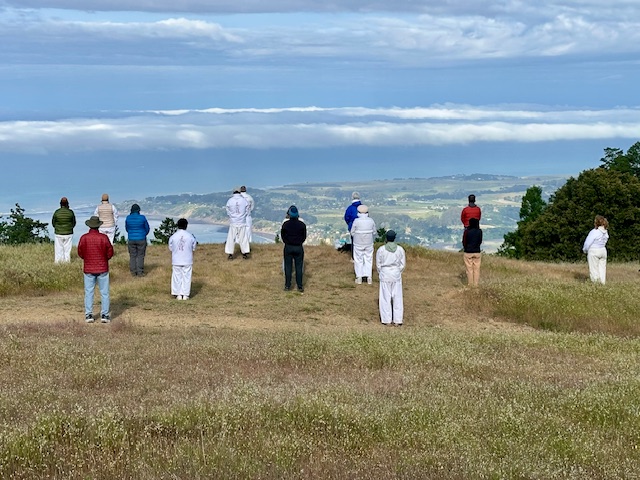
About 15 gathered at 8:30am on Saturday the 17th of May. Robert Gaston, Senior Instructor, led the group with the movements of Taimyo on Mount Tam with an overlook of the Pacific Ocean. HF Ito often came to Mount Tam to meditate and gain inspiration. He also brought groups to study Shintaido on Mount Tam.
This inspirational point on the mountain top lent itself to grounding us, while the vista gave us the ability to expand beyond ourselves.
Several people commented on feeling Ito Sensei very strongly. Some commented they could hear him laughing as we struggled to maintain our balance when the gusts of wind blew strongly off the ocean. Others saw Ito in the overhead clouds that were blowing by.
After Taimyo, the group gathered for a picnic to spend more time together and share memories of HF Ito. Our picnic area was in a grove of trees that proved a peaceful break from the wind. Over our casual picnic people told stories and caught up with each other. After many hugs and more laughter, we said our goodbyes until the next event.
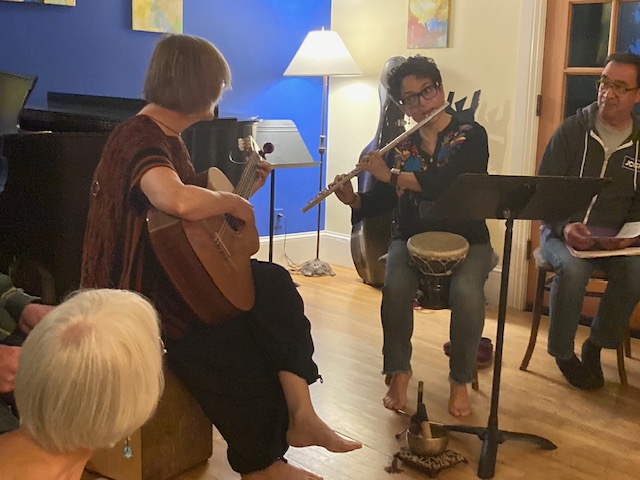
At 6pm on Saturday the 17th of May, we gathered for a potluck dinner and music at Jennifer and Martha’s home. Over Indian curry, pasta, salads, and desserts, we continued our conversations. People brought music, poetry, and other creative expressions to share. David Sirgany read poetry. Elli Nagai-Rothe spoke of her experience of growing up with Shintaido and HF Ito that began at the age of six. Kazu Shibao brought photos of HF Ito from 1982. Jennifer strummed her guitar, while Martha played her clarinet. Everyone joined in for these two songs: “Le Martiniana” and “I’ll Fly Away”. Both songs are often sung after the death of a loved one.
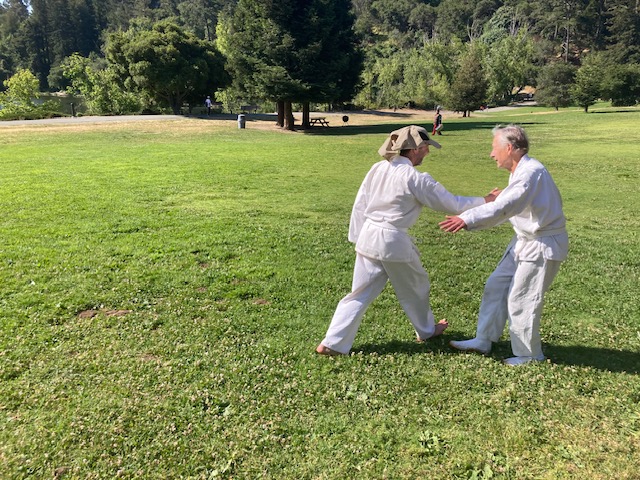
On Sunday, the group gathered for Keiko at Lake Temescal. Shin Aoki led the group, deepening our connections. Shin honored HF Ito by teaching Daikihon, the three core movements of Shintaido: Eiko, Wakame and Tenshingoso. Shin explained we learn the kata (movements) from our teachers and transmit the kata as purely as we can to others. However, each of us add our own heart and soul to this transmission.
After warmups, led by Derk Richardson, Shin started with Eiko Sei. We studied Wakame reaching directly to the core of our partner. Then, we studied what Ito Sensei often called “Welcome, come this way.”
One person reached into their partner’s core with a Tsuki attack, while the second person used their hand with palm facing inward, and pivoted allowing the energy to go past. We built upon this kumite as one partner continued to move past and turned, repeating first with a right Tsuki, then a left Tsuki, ultimately both people moved in an infinity spiral of movements.
This kumite included deflecting the attack with “Ah” , transforming this into Tenso and we let our partner sink into the earth. Shin finished with Tenshingoso Sei and Tenshingoso Dai.
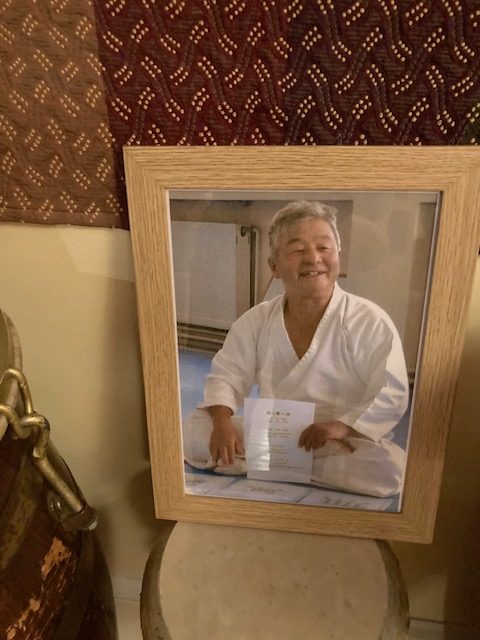
Enjoying the sunny weather, we stayed lakeside for a second picnic breakfast. HF Ito was present throughout our meal as his portrait graced the table. We departed the morning with hugs and plans for keeping our connections with each other.
To close with part of the song: “I’ll Fly away,” lyrics by Alison Krauss and Gillian Welch:
I’ll fly away To a land where joys will never end I’ll fly away.
Peace practitioners from around the globe will gather for a week of virtual shared practice and community dialogue about how the Space of Love can inspire our practice and life.
We hope you will join us across space and time to explore “The Space of Love” Aikukan 愛空間 this summer with peace practitioners in the Global Taimyo Community (GTC). Our theme draws from an interview in Taimyo, the British Shintaido Newsletter 2010 entitled, Unification Beyond Conflict and the Space of Love.
Sunday 20 July – Opening 90 minutes Thoughts from Masashi Minagawa on Aikukan Practice together Small group conversations and large group sharing
Monday through Friday 21 – 25 July Drop-in participation in 30-40 minute Taimyo practice sessions led by instructors around the world
Saturday 21 July – Closing 90 minutes Tomi Nagai-Rothe recounts Ito-sensei’s stories about the growth of the Global Taimyo Community and reflects on the future Practice together Small group conversations and large group sharing
Visit the Readings and Videos page of the GTC website for more in-depth articles and other sharing. GTC is organized by the Planning Team – Sarah Baker, Connie Borden, Rob Gaston, Masashi Minagawa, Jean Marc Otto Bruc, and Tomi Nagai-Rothe – and features a website with many GTC resources including links to video and the Day Street Dojo website.
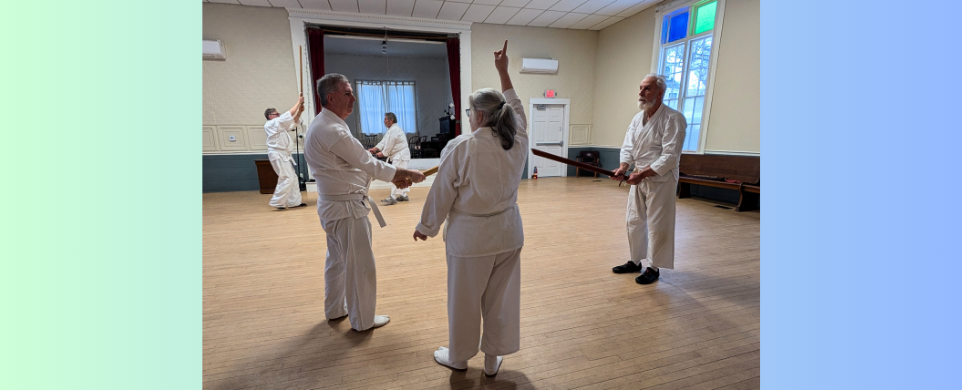
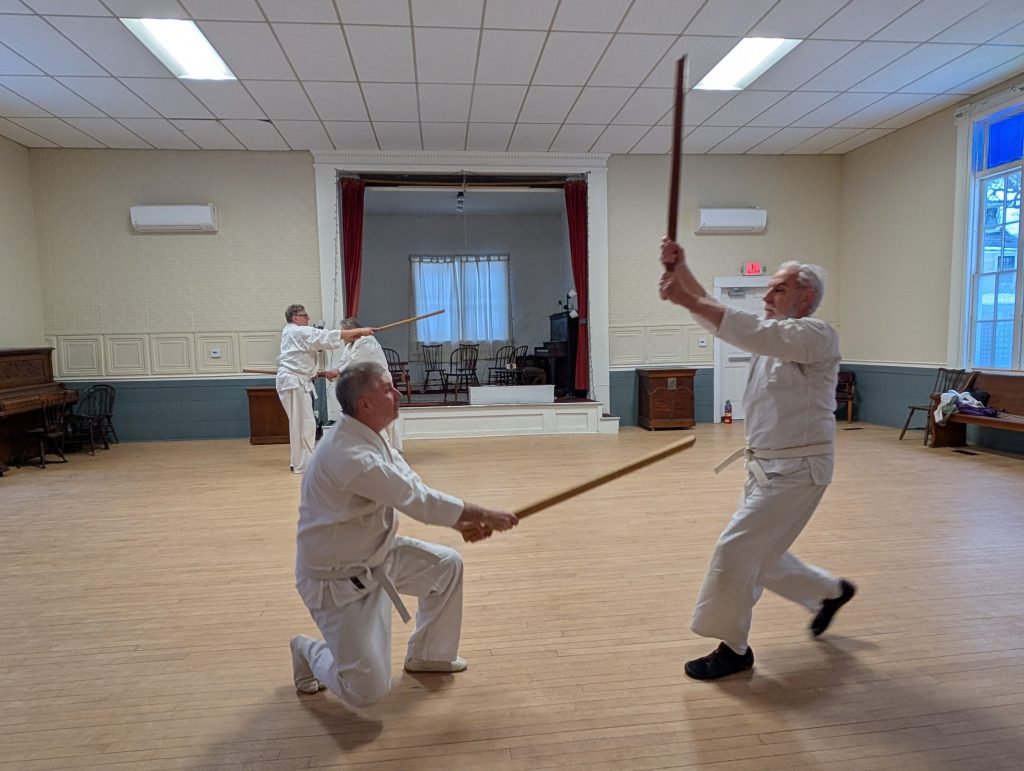
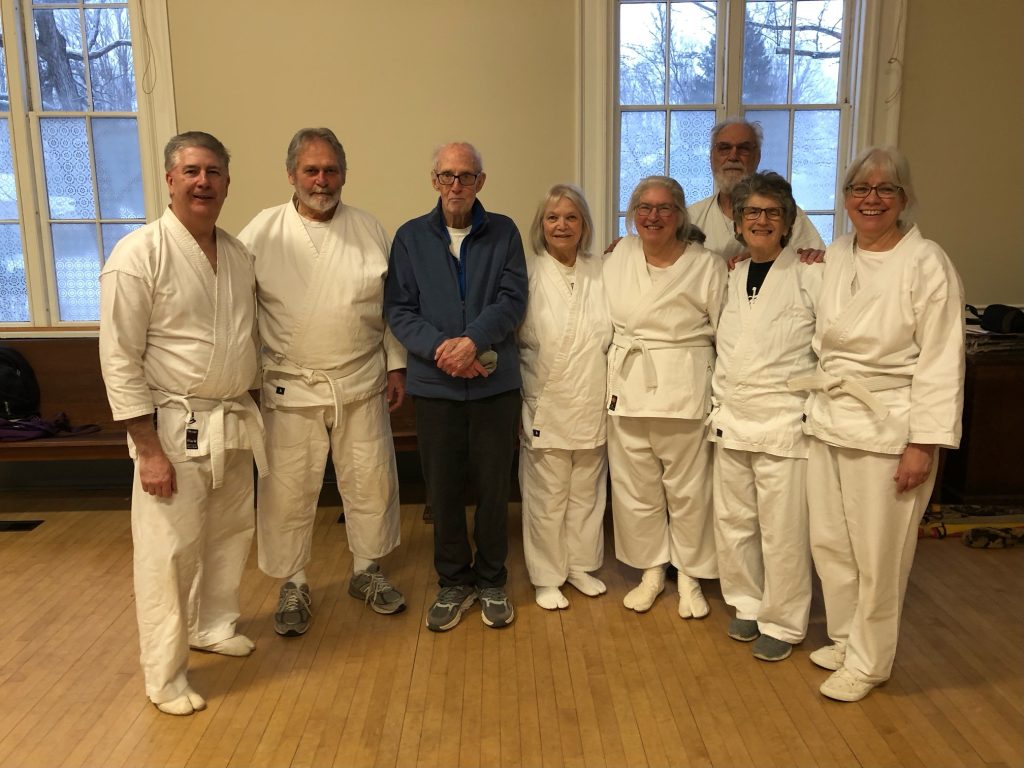
The announcement for the Shintaido Northeast Kangeiko 2025 went out in January. Kangeiko means cold-weather practice and is a time to come together for keiko. This year’s Kangeiko theme was Cultivating Inner Life: Finding Freedom in the Form. The event was held at the Montague Meeting House, in the Berkshires of Massachusetts.
Finding Freedom in the Form
In Shintaido, the phrase “Ten Chi Jin Ware Ware Ittai” (天地人我々一体) embodies the unity of Heaven (Ten), Earth (Chi), and Humanity (Jin)—a philosophy that extends beyond the dojo into a way of life. At its core, it teaches that true mastery comes not from isolated skill or strength but from a seamless integration of mind, body, and spirit. Through disciplined practice, a practitioner transcends mere technique and steps into a deeper form of Freedom—the ability to act without hesitation, move without resistance, and live without internal conflict.
In a stressful situation, the principle of Ten Chi Jin manifests in how a seasoned practitioner moves with balance, awareness, and adaptability. Earth (Chi) represents grounding and stability, the foundation of any practical stance or technique. Heaven (Ten) symbolizes intuition and perception, the ability to read an opponent’s intent before they act. Humanity (Jin) is the bridge where skill and spirit merge to create seamless action. Senior Instructor Bela Breslau demonstrated using the bokuto and free hand Shintaido that when a practitioner unites these three elements, they achieve a state of flow where techniques arise effortlessly, free from fear or doubt.
This integration leads to Freedom in movement—the ability to react instinctively rather than being bound by rigid Form. In Shintaido, it’s not simply learning to fight but responding to life with fluidity, adapting to challenges with the grace of water encountering a stone. This way of practicing is the path to internal and external Freedom—one that cannot be achieved through brute force but only through deep understanding and unity with the world.
Freedom Through Oneness
Instructor Stephen Billias led the second Keiko with a strong emphasis on oneness. A notable exercise was a two-person Shoko sword meditation. One person performed Shoko for an extended period while assisted and supported by a second person. This exercise was a powerful reminder of the spiritual truth expressed in ‘Ten Chi Jin Ware Ware Ittai’-that the separation between self, and the universe is an illusion. In Shoko’s meditation, suffering arises from resistance—from seeing oneself as separate from the flow. When practiced with awareness, Shoko becomes a tool for dissolving this illusion. The two-person Shoko meditation exercise Stephen led was a poignant reminder that we need each other to succeed in humanity (Jin).
Path to True Freedom
Senior Instructor Margaret Guay, a highly respected teacher in Shintaido, led the third Keiko with bokken sword techniques. Margaret showed that Freedom is not an absence of rules but a mastery of them—the ability to transcend limitations not by ignoring them but by understanding them so profoundly that they cease to be restrictive. With a beautiful Dai Jodan cut, she showed not to fear confrontations but to overcome them. ‘Ten Chi Jin Ware Ware Ittai’ is to live aware, grounded, and free. It is to see no separation between action and stillness, force and surrender, self and universe. The Kangeiko emphasized that Freedom in the Form is not just how to cut but how to live with a mind unburdened, a spirit untamed, and a body in perfect harmony with nature.
Thank you to Senior Instructors Margaret Guay, Bela Breslau, Instructor Stephen Billias, and Master Instructor Micheal Thompson for leading and organizing this successful Kangeiko.